Wallabag for Reading things later
When I was a child in Chennai, (Madras at the time) my parents used to leave me at the home of one Mr.Zacharaiah, who would baby sit me. I remember this ancient man, sitting in his easy chair, with piles of newspapers around him, cutting out articles and pasting them in huge scrapbooks.
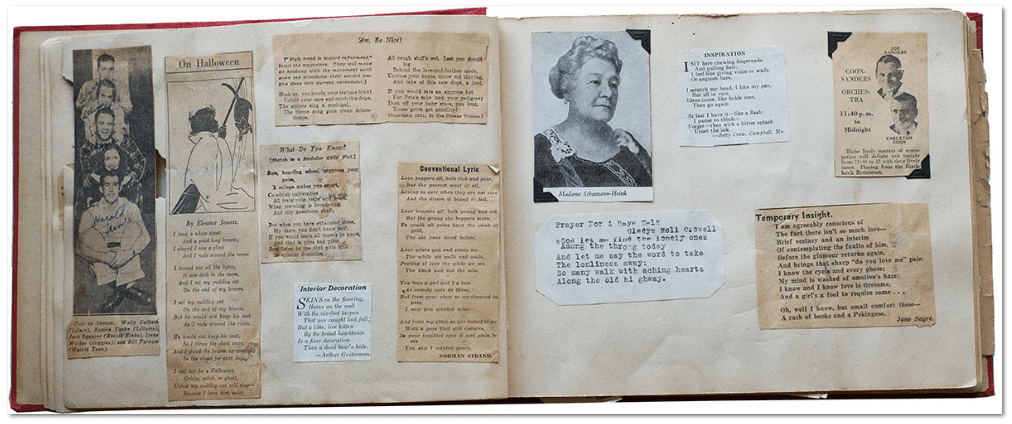
What these scrapbooks looked like. Source
This was a thing people used to do back then. These scrap books were the successors of commonplace books from earlier times.
Anyway, this must have left an impression on me, because, I do a similar thing today, except my process is digital.
Hoarding Information
I used to maintain newspaper and magazine clipping too in the 1980s. After I discovered computers and web browsers in the 90s, I started using browser bookmarks. This was OK for a while, except – these bookmarks started piling up, and eventually I’d have hundreds of them, with no clear way of organising all those saved links. Worse, there was no way to tell how many of those links were dead, due to webpages that were no longer available.
Read-it-later Services
Sometime in the 2000s, I came across an online service called Read It Later (Eventually renamed Pocket). It was brilliant. Simply, it allowed you to save articles you found online to a server, allowing you to read it later. Like a bookmark, except that it saved the contents of the webpage too.
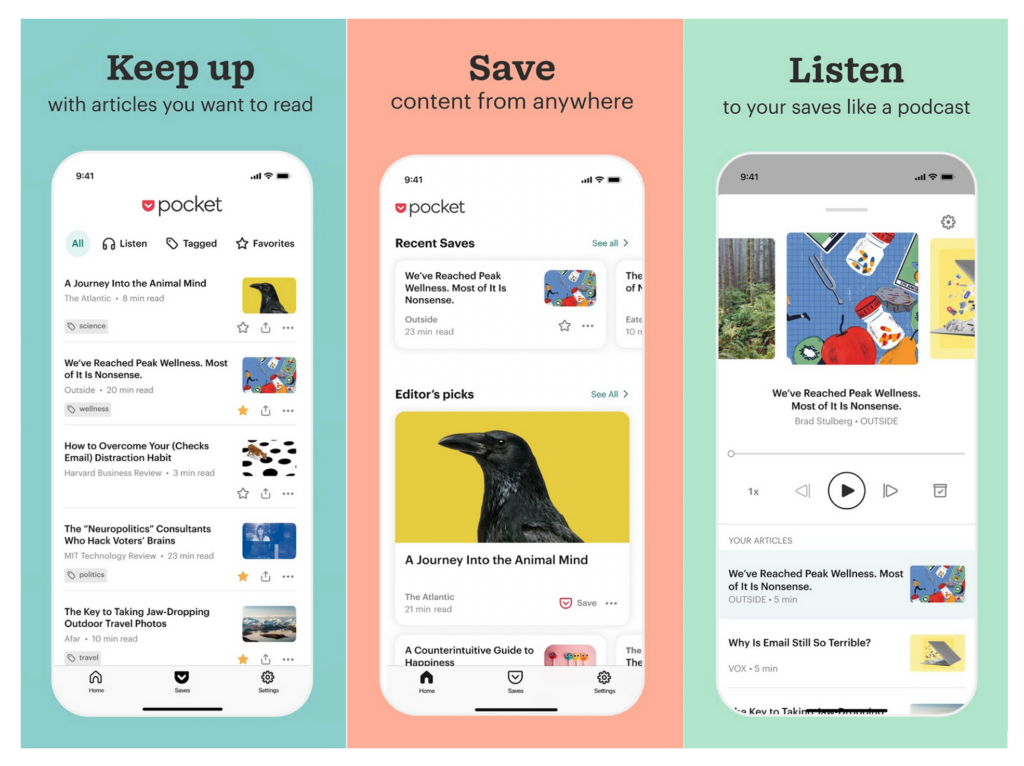
I never looked back, and am a paid subscriber to this day, though not always happy about the service. A few years ago, Pocket started behaving oddly. The mobile app would crash, or refuse to open, or if it did open, it would loop endlessly, trying to refresh the articles and not show me a thing.
I had a little over 60,000 articles saved on Pocket, so I was naturally nervous about losing this huge cache of stored information. I got in touch with the tech team, who promised a fix, and it improved somewhat, but during that time, I discovered an open-source alternative – Omnivore.

Now I had two read-it-later services. Pocket and Omnivore. Omnivore was better at some things. it could clip content that Pocket had trouble with, such as code blocks, and so I started using Omnivore for technical articles and pocket for everything else.
My Read it Later Workflow
These services are an important part of my information hoarding management workflow. This is how it works.
- I find an online article, most often through my Feed Readers, and sometimes via social media. I add it to Pocket or Omnivore.
- Later, when I read the article, I highlight or annotate bits that I like.
- These highlighted bits are then copied over to my digital notebooks, where they are carefully named, tagged and interlinked with previous notes that may be related. I use Zim-wiki and Org-mode for managing my digital notes, and access them using Markor on my android phone.
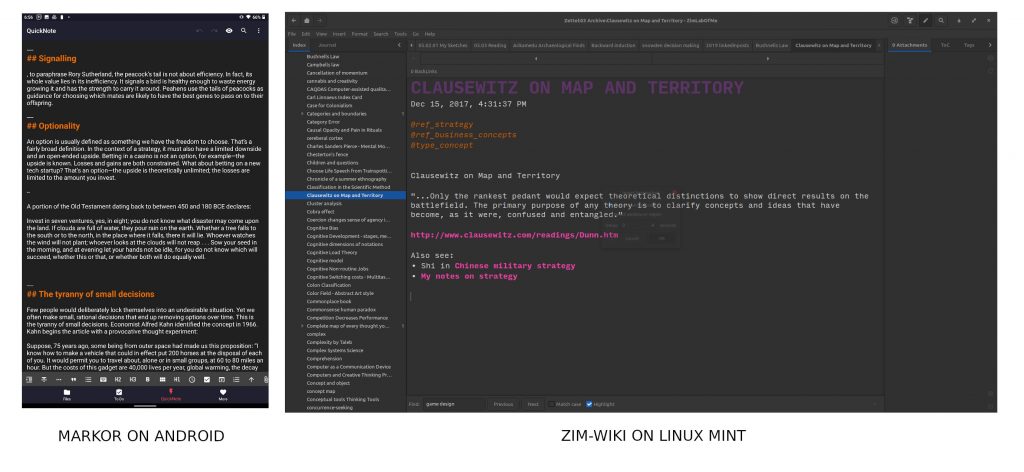
I have been doing this for years now, and have a decent wiki of notes that I have collected over time. This process of dredging through an ocean of information, and creating my own, small, pool of knowledge that I can easily sift through, search and retrieve has been an important part of my workflow1.
So imagine my astonishment when I discovered that Omnivore was discontinued last year, and that it’s mobile app had simply continued functioning without notifying me about this.
After some swearing, I exported my data from Omnivore in the hopes of finding some other new service that can replace it.
Hello Wallabag
I’d read about Wallabag earlier, a software similar to Omnivore and Pocket, except that it is meant to be self-hosted. Self-hosting brings its own set of problems, and I’ve generally avoided using self-hosting for software other than websites and content management systems.
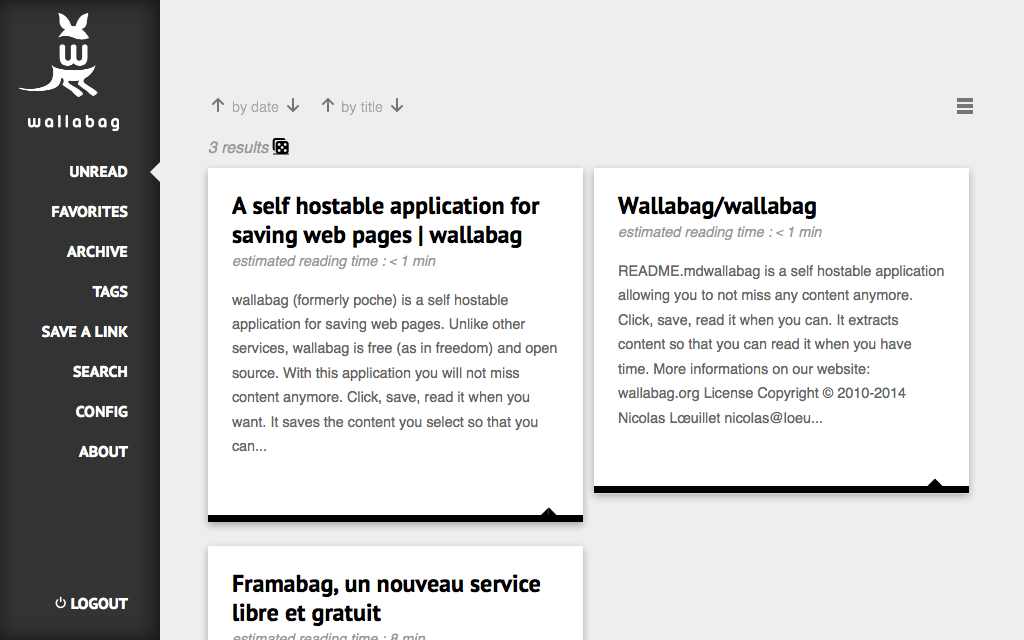
I decided to go ahead and host it on our server2. After some tinkering with the configuration, I’m delighted to say that I have Wallabag up and running, on my server and on all my mobile devices. I even managed to get a Wallabag client installed on Emacs, which makes capturing information into my notes even easier.
It’s too early to say if Wallabag can replace Pocket as well, so I’m going to keep an eye on how Wallabag behaves over the next couple of years.
Pocket is steadily becoming less useful. It has a horrible export system, doesn’t allow annotations, doesn’t offer reading analytics and I have noticed that though it promises to store all my content for a fee, I often find that this is not the case. Older articles have to be redownloaded and if the webpage is no longer available, that content is lost forever. Pocket is still pretty good in a lot of ways. It has great U.I and is relatively painless to use – but I need more from my Read-it-later service and wish Pocket lived up to it’s promise.
Footnotes
You can read more about my Information Management System here ↩︎
My host offers me softaculous which makes it easy to install and manage web based software. In the old days I’d have had to FTP files, create a database and manually set it up. Not anymore. ↩︎